 EN
EN
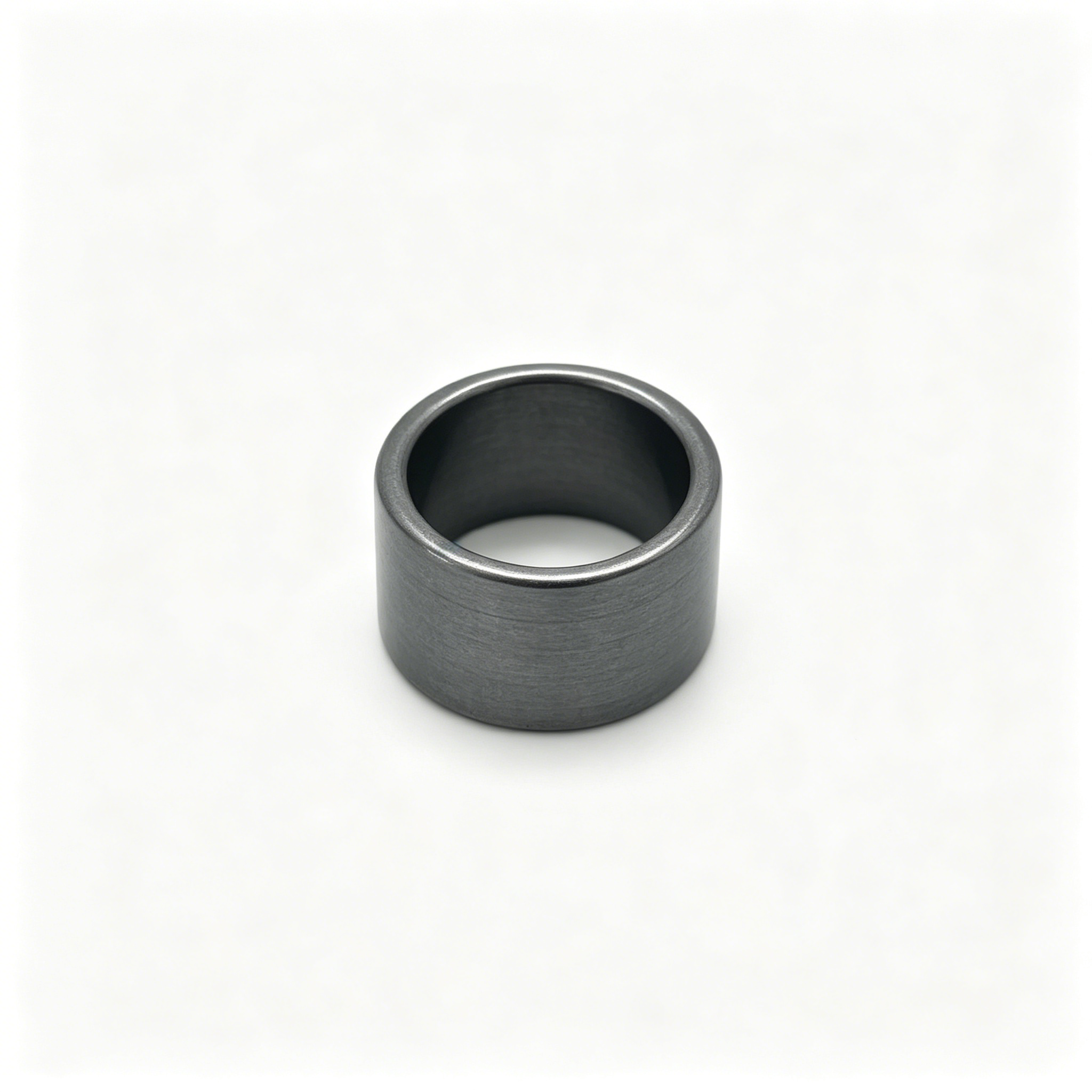
In chemiese verwerkingsaanlegte, farmaseutiese vervaardiging, voedselproduksie en marinetoepassings kan vere blootgestel word aan die aggressiefste materiale soos sure, alkalië, oplosmiddels, sout en skoonmaakoplossings. Terwyl standaard koolstofstaalvere maklik in hierdie omgewings korrodeer deur pitting, spanningkorrosie-kraak en vroeë mislukking. Roestvrystalveerkoils is ontwerp vir hierdie uitdagende chemiese omgewings met betrekking tot hul meganiese eienskappe. Hier is 4 maniere waarop roestvrystalveerkoils aan die vereistes van die mees harde chemiese take voldoen.
1. Korrosiebestandige legerings vir chemiese versoenbaarheid
Nie alle roestvrystaal-legerings bied gelyke weerstand teen die vereistes van chemiese omgewings nie. Dit is noodsaaklik om die regte legering te spesifiseer om aan die korrosiewe vereistes van die toepassing te voldoen. Graad 302 & 304 roestvrystaal rolveringe is geskik vir toepassings wat goeie weerstand bied teen oksiderende sure, organiese chemikalieë en baie alkaliese oplossings. Hulle is ideaal vir voedselverwerkingsuitrusting, farmaseutiese vervaardigingsuitrusting en algemene chemiese omgewings.
Vir meer aggressiewe vereistes wat blootstelling aan chloriede, soutspys en verminderende sure behels, is 316 roestvrystaalveerkoils 'n beter spesifikasie. Die byvoeging van 2–3% molibdeen (Mo) verhoog die weerstand teen kuiltjies en bied uitstekende weerstand teen chloriede en suur omstandighede. Baie streng toepassings wat hoë konsentrasies swawelsuur, waterstofsoutsuur en warm chloriede behels, mag gespesialiseerde legerings soos Hastelloy C-276 of Inconel 625 vereis. Hongsheng Spring verskaf roestvrystaalveerkoils in 'n verskeidenheid grade (302, 304, 316 en 17-7 PH), sowel as spesialiteitslegerings, om aan enige spesifieke toepassing se chemiese vereistes te voldoen.
2. Passiewe oksiedlaag en selfherstellende beskerming
Die inherente vermoë van roestvrystaal-spiraalvere om korrosie te weerstaan, is as gevolg van die passieweoksiedlaag (chromiumoksied). Die oksiedlaag is baie dun (’n paar nanometer dik), maar blok effektief verdere oksidasie van die oppervlak. Indien die oppervlak van die veer tydens bedryf gekrap of geskraap word, sal die chromium in die legering met die suurstof op die oppervlak reageer om die oksiedlaag te "selfherstel" en sy beskerming te herstel.
Hierdie selfherstellende eienskap van roestvrystaalveerkoils is veral belangrik vir dié wat waarskynlik ‘n abrasiewe chemiese omgewing sal ervaar wat oppervlakbeskadiging tydens bedryf kan veroorsaak. Koolstofstaalvere benodig ‘n toegepaste verskansing (soos ‘n sink-, epoksie- of PTFE-verskansing) vir weerstand. Sodra hierdie verskansing gekrap word, word die basismetaal aan die omgewing blootgestel en vind vinnige korrosie plaas. Roestvrystaalveerkoils het nie hierdie toegepaste verskansings nodig om beskerming aan die komponent te bied nie, aangesien die basismateriaal sy korrosiebestandheid na abrasie behou. Vir chemiese mengtoerusting, roerdervere of klepvere bied selfherstelling ‘n beduidend verlengde dienslewe en minder stilstandtyd.
3. Weerstand teen spanningkorrosie-kraakvorming (SCC)
Stresskorrosie-kraking is veral skadelik in chemiese omgewings vir vering. SCC tree op wanneer ’n onder spanning gestelde materiaal aan ’n korrosiewe omgewing blootgestel word wat ’n skielike, katastrofiese versaking veroorsaak sonder enige groot vervorming van die materiaal. Voorbeelde van algemeen gesiene SCC-veroorzaakende materiale sluit chlories, soutoplossings en waterstofsulfied in.
Austenitiese roestvrystaal rolverings (302, 304, 316) kan geneig wees tot chloriespanningskorrosie-kraking by hoër temperature (bo 60 °C vir toepassings met warmtechloriede, sal die aanbeveling wees vir 17-7 PH-afsettingshardende roestvrye staal of ’n dupla-roestvrye-staalgraad vir verbeterde SCC-bestandheid. Hongsheng Spring sal nou saam met u werk om die beste spesifikasie-roestvrye staal te bepaal gebaseer op die bedryfstemperatuur, chemiese konsentrasies en meganiese belastings van u toepassing. Ons sal ook die nodige lae-temperatuur-nabehandelings toevoeg om residuële trekspanning in veringe te verminder wat meer vatbaar is vir SCC.
4. Skoonmaakbaarheid en regulêre nalewing
In die voedsel-, farmaseutiese en biotegnologie-industrieë is dit noodsaaklik dat veringe nie net chemies bestand is nie, maar ook gladde oppervlaktes het wat bakteriële aanhegting voorkom en maklike desinfeksie moontlik maak. Die inherente gladheid van die roestvrystalen veerkoils en elektropolisering bied ’n oplossing. Elektropolisering kan die Ra-waarde van die roestvrystaloppervlak tot onder 0,4 mikrometer verminder, wat ’n baie gladde oppervlak skep en baie krake waar kontaminante kan versamel, elimineer.
Hongsheng Spring verskaf roestvrystaalveerkoils wat geskik is vir skoon-in-plaas (CIP) en stoom-in-plaas (SIP)-bewerkings. Voedseltoepassings sal aan FDA- en EU-voedselkontakreguleringe voldoen. Vir farmaseutiese toepassings sal die vere voldoen aan die hoë standaard van beheer tydens vervaardiging met volledige natrekbareheid van die materiaal, wat belangrik is vir validering. Met sy weerstand teen chemikalieë, gemak van skoonmaak en sy vermoë om aan streng regulêre vereistes in die voedsel- en farmaseutiese bedrywe te voldoen, is die roestvrystaalveerkoil die voorkeurspesifikasie vir die uitdagende chemiese take.
Samevatting
Die streng vereistes wat aan verings in ’n chemiese omgewing gestel word, kan bevredig word deur vier eienskappe van roestvrystaalveerkoils te benut: korrosiebestandheid word verseker deur grade roestvrystaal soos 302, 304, 316 en 17-7 PH te gebruik; die behoefte aan bedekkings word uitgeskakel deur selfherstellende passiewe oksiedlae te gebruik; weerstand teen spanningkorrosie (SCC) word verseker deur die regte roestvrystaalgraad te kies; en oppervlakskoonheid word gewaarborg deur roestvrystaal se intrinsieke eienskappe sowel as opsionele elektropolisering vir voedsel- en farmaseutiese toepassings. Hongsheng Spring sal aangepaste roestvrystaalveerkoils vervaardig om aan u streng vereistes vir chemiese prosessering, seevaart-, voedsel- of farmaseutiese toerusting te voldoen. Neem vandag nog kontak met ons op.