 EN
EN
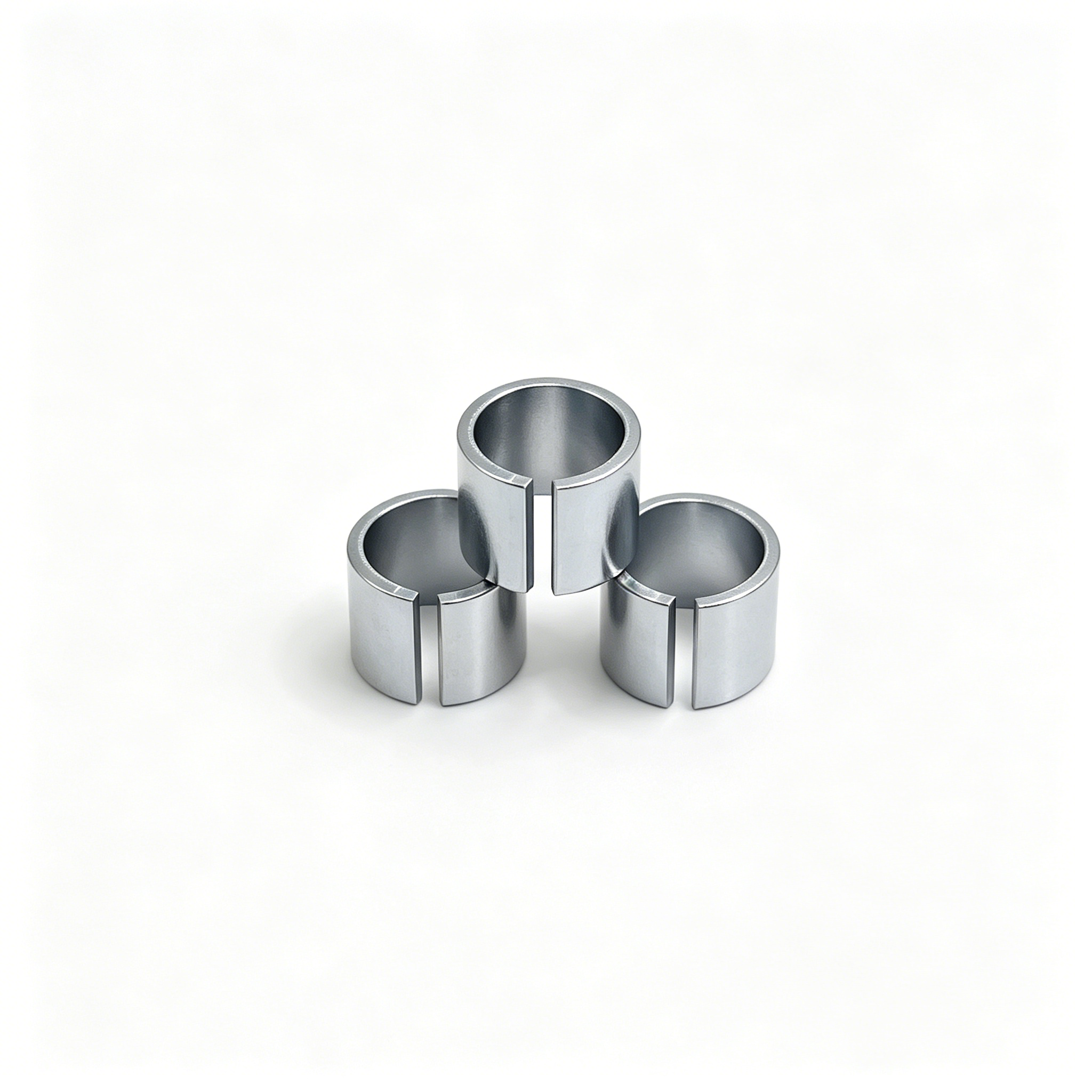
Korroosio, hiljainen vihollinen, on kaikkialla – meressä, kemiateollisuuden tehtaissa, ulkotarvikkeissa, lääketieteellisissä implanteissa ja sisäkoneissa. Jopa tavalliset teräskierrejouset eivät kestä normaalia käyttöikäänsä kosteuden, suolien, happojen ja puhdistusnesteiden vaikutuksesta: ne ruostuisivat, syövyisivät ja hajoaisivat, kun taas ruostumattomat teräskierrejouset vastustavat luonnostaan korroosiota. Seuraavat neljä aluetta osoittavat, miten ruostumattomat teräskierrejouset maksimoivat käyttöikää ja vähentävät huoltokustannuksia ainutlaatuisen korroosion kestävyytensä avulla.
1. Kromioksidin passiivikerros: Itseparantava suojakilpi
Ruostumattoman teräksen jousien kestävyys korroosiolle perustuu niiden korkeaan kromipitoisuuteen. Jokainen ruostumattoman teräksen laatu sisältää vähintään 10,5 prosenttia kromia. Kun ilmaa on läsnä, kromi muodostaa heti ohuen, läpinäkyvän ja kiinnittyvän kromioksidikerroksen jousen pinnalle. Vaikka tämä passiivikerros on vain nanometrin paksuinen, se toimii suojakilvenä, joka estää hapen, veden ja korroosiovaarallisten aineiden reagoimasta perusmetallin kanssa. Pinnoitteet, kuten maali tai metallipinnoite, voivat helposti naarmuuntua ja irrota, mutta passiivikerros on itsestään korjaava. Jos jousi naarmuuntuu tahallisesti tai tahallisesti asennuksen aikana tai käytön aikana, altistunut kromi reagoi välittömästi ympäröivän ilman hapen kanssa ja palauttaa suojaavan kerroksen. Hiiliteräksisen jousien suoja perustuu ulkoiseen pinnoitteeseen; mikä tahansa naarmu tai pinnoitteen rikkoutuminen mahdollistaa ruosteen muodostumisen ja nopean leviämisen pinnoitteen alapuolelle. Ruostumaton teräksen jousit säilyttävät korroosionsuojansa myös pinnan kuluttumisen vaikutuksesta huolimatta.
2. Seokseksien luokat tarkoitettuun korrosiosta suojautumiseen
Ruuvisyöntäiset jousit valmistetaan eri seoksista, joten niiden suorituskyky korrosiota vastaan vaihtelee. Pitkän käyttöiän avain on oikean seoksen valinta ympäristön mukaan. Yleiskäyttöön tarkoitettuja ruuvisyöntäisiä jousia, jotka on valmistettu 302- ja 304-luokan ruostumattomasta teräksestä, voidaan käyttää kosteissa tai sisäisissä ympäristöissä, joissa ei ole suoraa altistumista sääolosuhteille, elintarviketuotannossa tai makeassa vedessä. Jos jousi altistuu klorideille – esimerkiksi rannikkoasennuksissa, merellä liikkuvissa aluksissa tai missä tahansa paikassa, jossa käytetään liukastus-suolaa – on valittava 316-luokan ruostumaton teräsruuvisyöntäinen jousi. Molibdeenipitoisuus on 2 -3 prosenttia tätä laadukasta terästä parantaa merkittävästi sen vastustuskykyä pisteikäiselle ja halkeamakorroosiolle suolavedessä ja kloorattuissa ympäristöissä. Tiukempia käyttökohteita varten (kuumia kloori-yhdisteitä tai happoja ja emäksiä) saattaa vaadita erityisliittymiä, kuten 17–7 PH, Duplex 2205 tai Hastelloy. Hongsheng Spring valmistaa ruostumatonta terästä käyttäviä kierrejousia useissa laaduissa ja työskentelee tiiviisti asiakkaiden kanssa, jotta valittaisiin sopiva liittymä ottaen huomioon ympäristön lämpötila ja kemiallinen koostumus.
3. Pisteikäisen korroosion vastustuskyky ja väsymiselämän säilyttäminen
Ruuosteen näkyminen pinnalla on helppoa havaita, mutta korroosiohalkeamat ovat paljon vaarallisempia, koska vaurio voi olla paikallista ja piilotettua. Halkeama tunkeutuu passiivikerrokseen ja aiheuttaa jännityskeskittymiä jousen pinnalle. Kulumakiristys alkaa halkeamasta aina, kun jousi kuormitetaan syklisten kuormitusten alaisena, mikä johtaa jousen äkilliseen murtumiseen ilman merkittävää plastista muodonmuutosta. Korkea PRE-arvo säilyttää molybdeenilla varustetun 316-luokan jousen vastustuskyvyn halkeamille kosteissa olosuhteissa tai suolavedessä. Suolahöyryn testaus (ASTM B117) osoittaa, että jopa 2 000 tunnin altistumisen jälkeen suolahöyrykaapissa 316-jouset pystyvät säilyttämään yli 90 prosenttia alkuperäisestä kulumakestävyydestään verrattuna hiiliteräksen alle 50 prosenttiin.
4. Pinnoitusten epäonnistumisen ja huoltokustannusten poistaminen
Hiiliterässä valmistetun jousen suojaamiseksi on sen pinnalle tehtävä sinkkipinnoite, jauhepinnoite, epoksi- tai PTFE-pinnoite. Nämä pinnoitteet lisäävät kustannuksia, pidentävät toimitusaikaa ja eivät ole täysin luotettavia. Riittää yksinkertainen naarmu, joka voi syntyä joko kuljetuksen aikana tai käytön yhteydessä, jolloin metallipinta paljastuu. Korroosio voi alkaa välittömästi paljastuneilla pinnoilla tai piilossa pinnoitteen alla, kunnes jousen rakenne heikkenee. Hiiliteräsjousten säännöllinen uudelleenmaalaaminen tai ruostuneiden jousten vaihtaminen aiheuttaa loppukäyttäjälle toistuvia kustannuksia. Ruisuteräsjouset ovat vaihtoehto, joka poistaa tarpeen pinnoittamiselle, mikä lisää käyttöikää ja vähentää huoltokustannuksia. Tämä johtaa lyhyempiin toimitusaikoihin, alhaisempiin kustannuksiin valmistajien kokoonpanolinjoilla sekä vähemmän takuuhaittoja. Jousille, joita ei voida helposti vaihtaa – esimerkiksi maan alle asennetussa putkistossa, meren alla tapahtuvassa sovelluksessa tai tiukasti suljetussa laitteessa – tämä voi tarkoittaa merkittävää pitkän aikavälin arvoa.
Yhteenveto
Ruostumattomasta teräksestä valmistetut kierrejousit tarjoavat etuja hyödyntämällä neljää tekijää niiden korroosionkestävyydessä: itseparantuvaa kromioksidikerrosta, joka poistaa tarpeen pinnoitteista; luokkakohtaista vastustuskykyä, joka riippuu ympäristötekijöistä (luokka 304 yleiskäyttöön, luokka 316 kloridien kanssa); väsymislujuuden säilyttämistä estämällä pienten reikien muodostuminen; sekä korroosioon perustuvien huoltokustannusten poistamista. Hongsheng Spring kykenee tuottamaan sinun määrittämiäsi erikoiskierrejouksia ruostumattomasta teräksestä luokissa 302, 304, 316 ja 17-7 PH sovelluksiin, joissa käytetään merenkäytössä, kemiallisessa teollisuudessa, elintarviketuotannossa tai ulkokäytössä. Ota meihin yhteyttä erikoistarpeidesi kanssa ja määritä parhaiten ympäristöösi sopiva jousi.