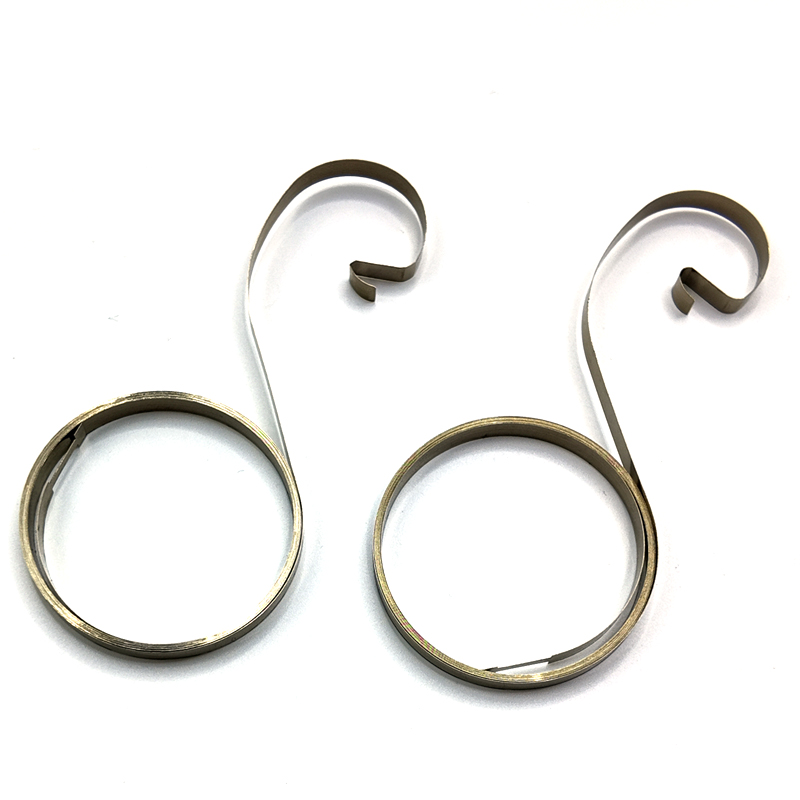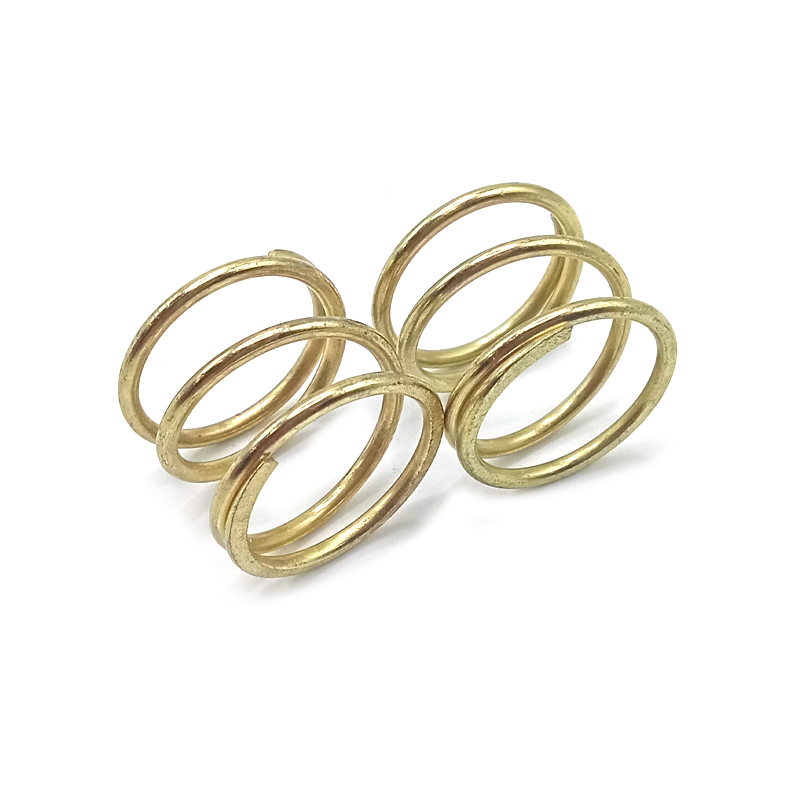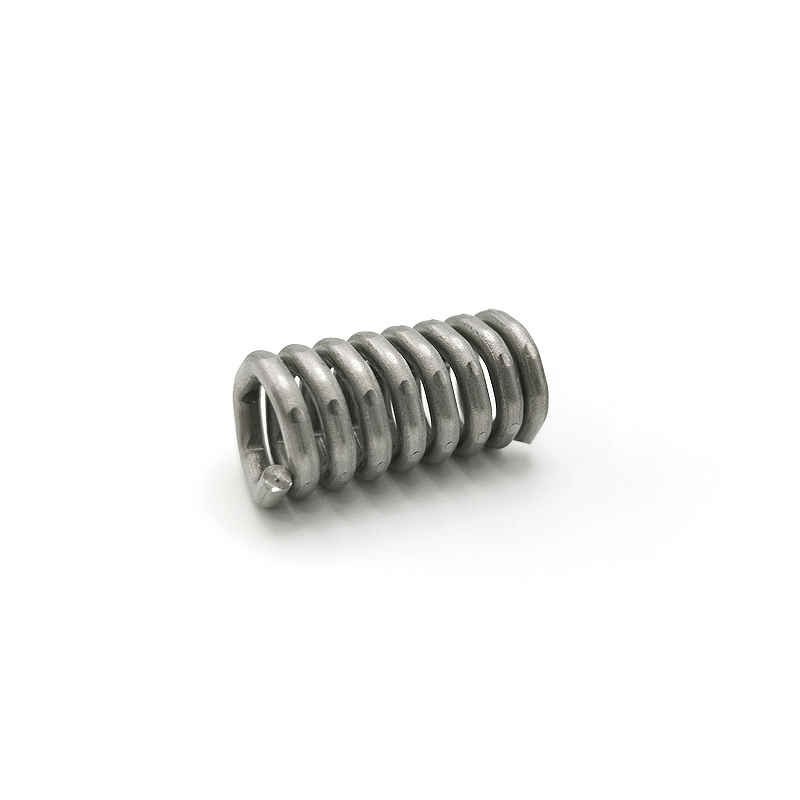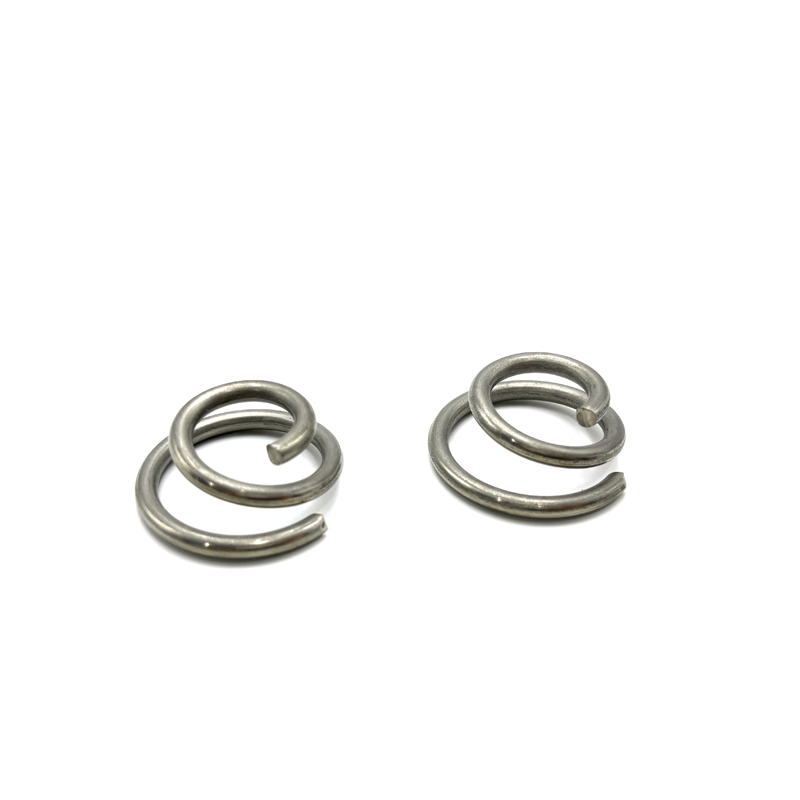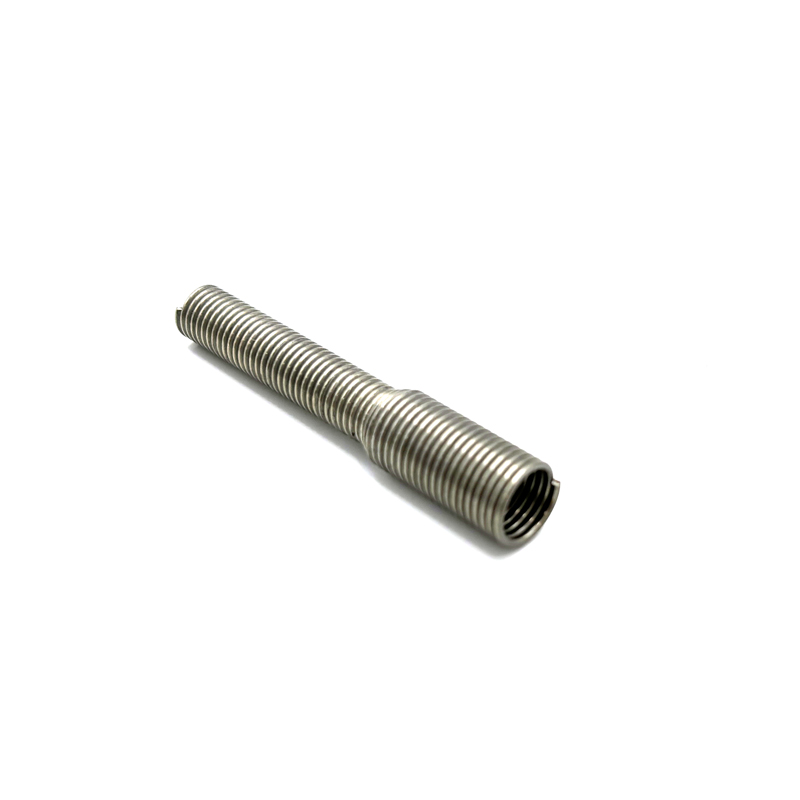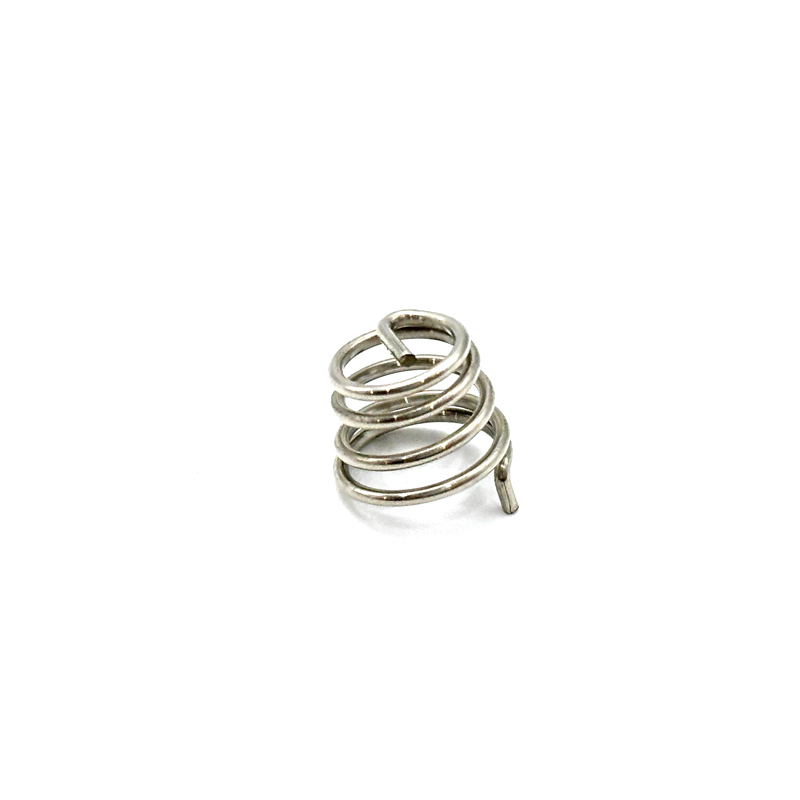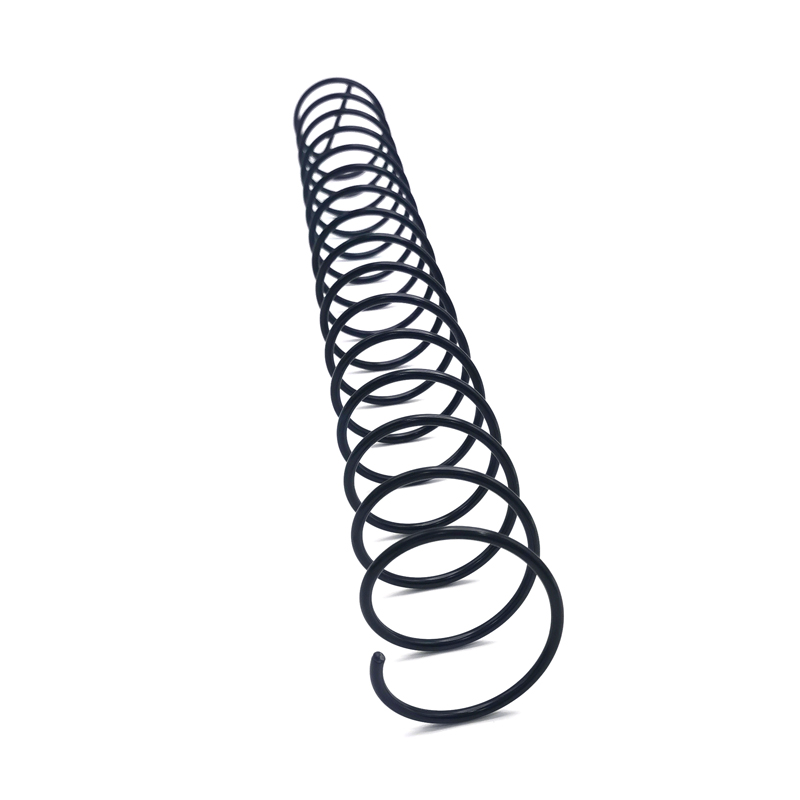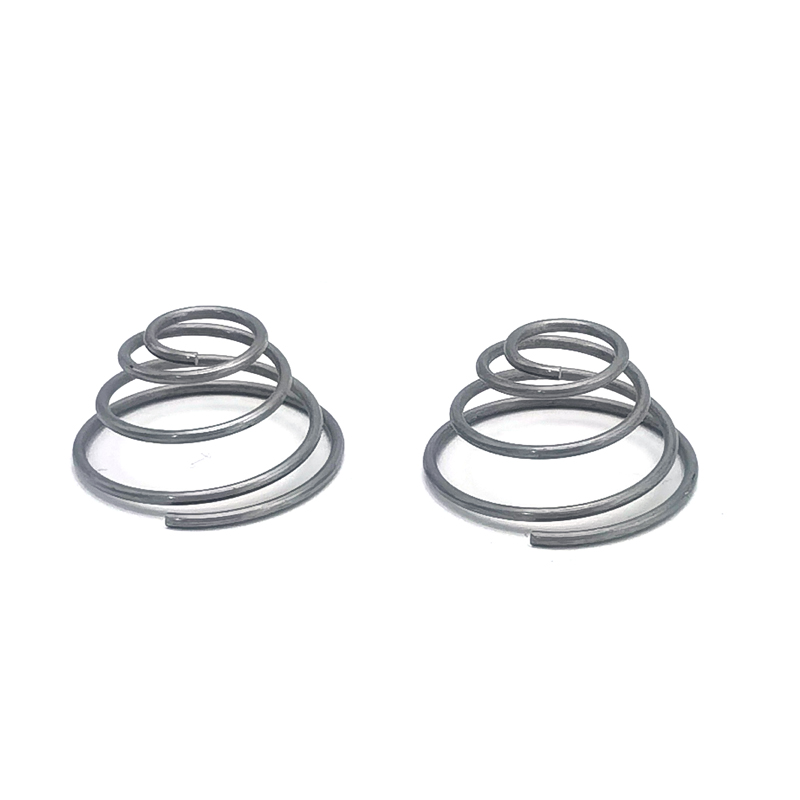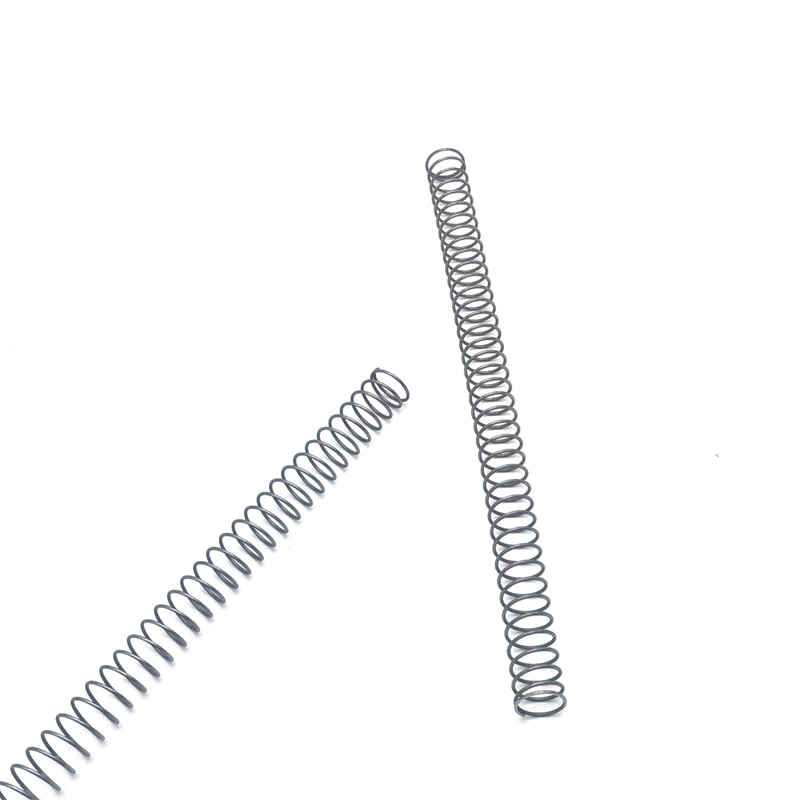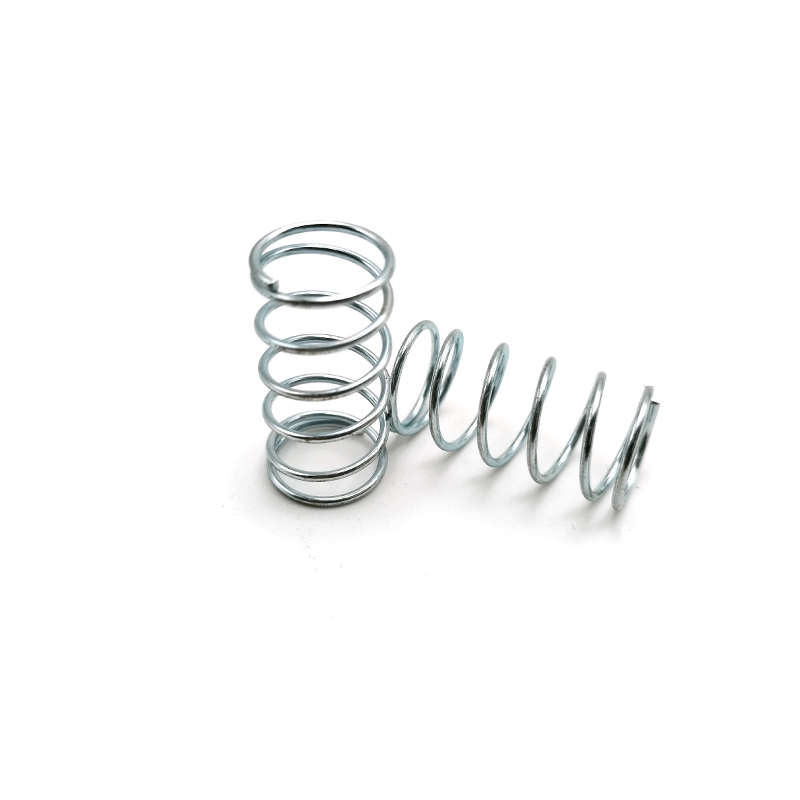
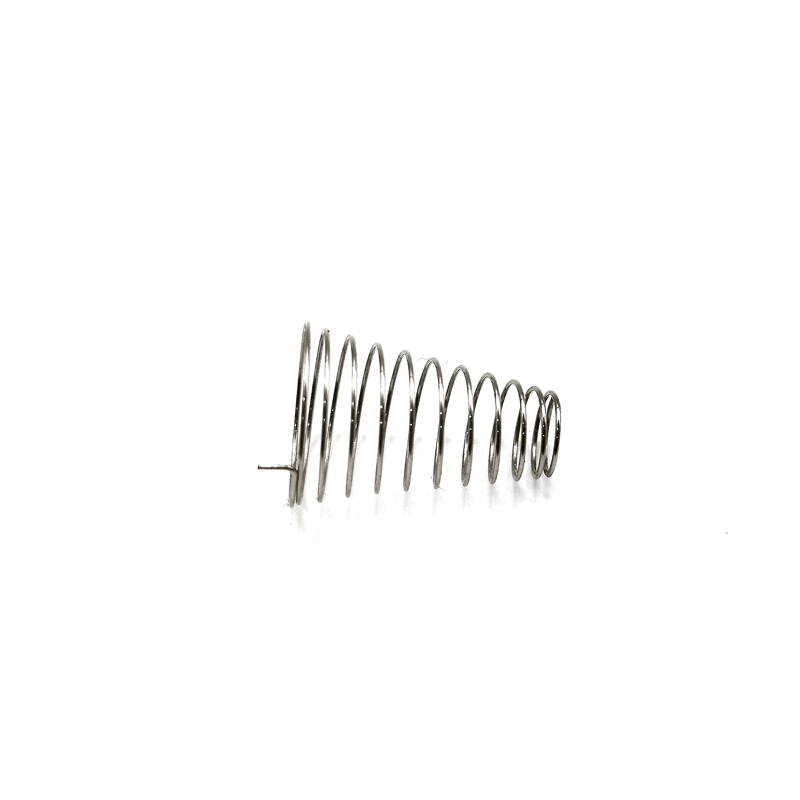
Tapered compression springs are special types of springs that are wider at one end and narrower at the other. They are often used in machines and tools to help absorb shock or provide push back when something is compressed. Think of them like a springy ramp: when you press down on one end, it pushes back up. Tapered compression springs are really handy because they can fit into tight spaces while still being strong. These springs are made from different metals, which makes them very flexible. A company like Hongsheng Spring makes these types of springs, ensuring they are made with care and quality.
Tapered compression springs offer many benefits for industrial applications. One of the main advantages is their ability to save space. Because one end is narrower, these springs can fit into smaller areas where regular springs might not. This is very important in machines where every inch counts. Another benefit is their strength. Tapered compression springs can handle a lot of pressure and weight compared to their size. This means they can be used in heavy-duty machines without breaking.
When using tapered compression springs, there are a few important issues to think about. First, it’s crucial to understand the design of the spring. Tapered compression springs are wider on one end and narrower on the other. This shape helps them fit better in certain spaces, but it can also create problems if not used correctly. For instance, if the spring is too tight in its space, it may not work well. It can get stuck or become damaged. You should also think about the weight the spring needs to hold. If a spring is too weak for the job, it could break or wear out quickly. On the other hand, if it is too strong, it can cause too much pressure on other parts, leading to failure.
Another issue to consider is the material of the spring. Tapered compression spring are often made of metal, which means they can rust if they get wet. If the spring is in a place where it might get wet, it’s good to choose a material that won’t rust easily. Also, think about how the spring will be used. Will it be pushed down a lot, or will it just sit in one place? Different uses can change how well the spring works. Regular checks can help catch problems early, so making sure the springs are in good shape is very important. At Hongsheng Spring, we recommend you keep an eye on your springs to make sure they are working well and to replace them when needed.
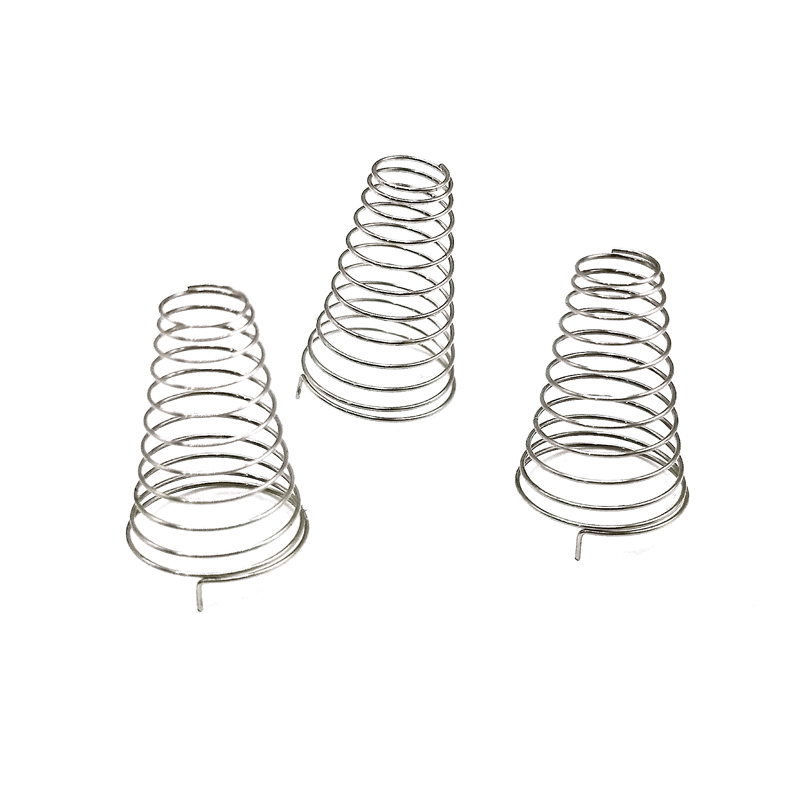
To get the best performance from tapered compression springs, it’s essential to design them correctly. The first step is to choose the right size. The spring should fit perfectly in the space where it will be used. If it’s too big or too small, it won’t work as expected. At Hongsheng Spring, we can help you find the right size for your needs. Another important part of design is the amount of tension in the spring. This means how strong the spring is when it’s pushed down. A good spring has just the right amount of tension to do its job without being too weak or too strong.
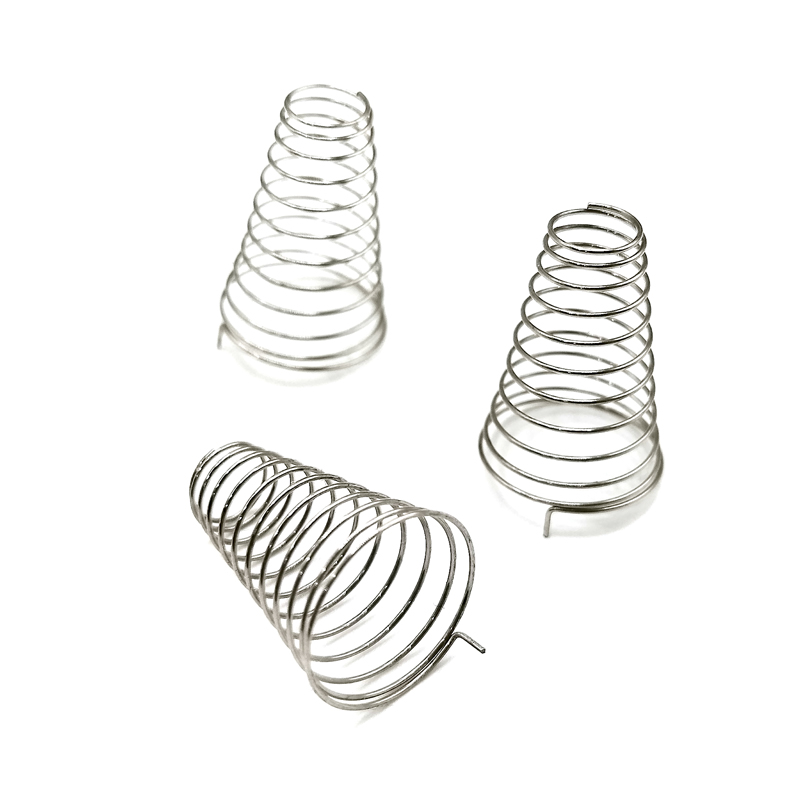
Next, the material of the spring matters a lot for performance. Springs can be made from different types of metal, and some are better for certain jobs. For example, if the spring needs to resist rust, a heavy duty compression springs may be the best choice. The design also includes the number of coils in the spring. More coils can make a spring softer, while fewer coils can make it stronger. You need to find the right balance for what you need.
Sometimes, even the best-designed tapered compression springs can have problems when they are used. It’s important to know how to troubleshoot these issues to keep everything running smoothly. One common problem is that the spring might not push back as it should. This could happen if the spring is damaged or if it’s not strong enough for the job it’s doing. If you notice that the spring isn’t working like it should, the first step is to check for any visible damage. Look for bends or cracks in the metal. If you find any, the spring may need to be replaced.
 EN
EN