
 EN
EN
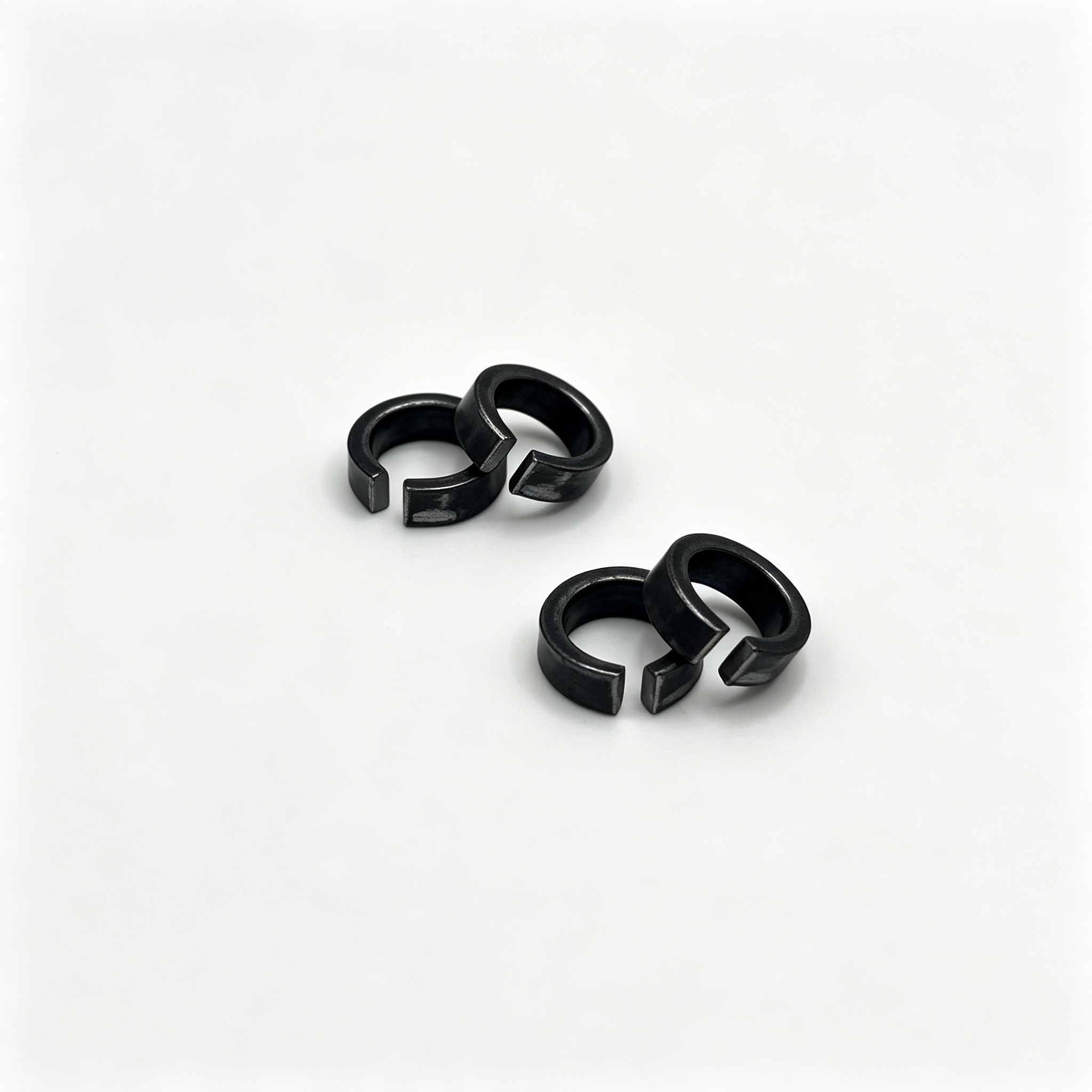
Miniature moving parts are used in electronics, medical instruments and industrial controls where highly repeatable torque is required. Helical torsion springs that are used in smartphone hinges, latches for disk drives and medical instrumentation must function properly through millions and millions of cycles with clearances of a millimeter or less. Electronic grade helical torsion springs require micro tolerances for the diameter of wire and geometry of the coil, as well as placement of the legs. Four key reasons why design and manufacture of electronic grade helical torsion springs are important:
1. Tight Torque Tolerances for Consistent Performance
Helical torsion springs in electronics devices usually return a button or switch, keep contacts in place against an electrical conductor or return a hinge to a home position. Too low of a torque value causes the button to feel mushy or to return slowly. If the torque is too high, the user can experience excess resistance or actually break a plastic component.
Hongsheng Spring manufactures helical torsion springs with torque tolerances as tight as 5% using automated CNC coiling and automated laser measurement systems. For an electronics product requiring 0.02Nm, a well-made spring performs with consistency from one device to the next for hundreds of thousands and millions of cycles. Variation of 20%-30% in torque would result in some devices feeling different from other units in the product run. Customer complaints and warranty claims would rise significantly. The wire diameter (0.005mm) and count of coils are critical for this level of performance across units.
2. Miniaturized Wire Diameters and Coil Geometry
Devices in the electronics and medical world are getting smaller all of the time. With miniature electronic products such as smart phones, wearables, hearing aids and implants, very small spaces are allocated for the mechanical components within the enclosure. It is essential that the helical torsion springs that function in these devices fit within tiny envelopes. These parts need to fit inside of parts with less than 1-3mm inner diameters and return a required force.
Hongsheng Spring manufactures springs down to wire diameters of 0.1 mm (0.004 inches). It has manufactured outer diameters of springs smaller than 1mm. Producing springs at these scales require precision equipment and tooling along with minute-level inspection. At these dimensions, a change in the diameter of wire by just 0.02mm changes the constant of the spring by more than 10%. Precision is also required to keep tiny legs in the correct orientation for assembly. Designing with miniature springs is essential for those engineers trying to miniaturize electronic devices without compromising functionality.
3. Low Residual Stress for LongTerm Stability
The customer expects electronics products to work reliably for many years without maintenance. Helical torsion springs under tension or compression against contacts in a battery or a hinge, will relax the required force overtime due to stress relaxation. The more residual stress that remains in the spring after manufacturing, the quicker this will happen.
Hongsheng Spring stress-anneals every single spring made to remove residual stress from manufacturing. Stress relief annealing is a heat treating process that actually lowers residual stress within a spring without negatively impacting the dimensions. The spring then has better reliability over many cycles with a greatly reduced rate of torque decay. With products like medical devices or automotive electronics having a warranty period of five to ten years, low residual stress is paramount to device function. Without the proper heat treatment, a part made perfectly to specification at the time of manufacture can fall out of tolerance within weeks or months of use.
4. Repeatable Positioning and Assembly Compatibility
Assembly processes within the electronics contract manufacturing space are highly automated and take place at great speeds. If a helical torsion spring's legs are not properly angled and its position varies, it may jam parts and the automated assembly line will not work. A defect like this will reject units off the line, leading to higher costs and longer assembly times.
Hongsheng Spring utilizes precision leg forming tooling that has the ability to form the angles required (often 90 degrees, 180 degrees or another custom angle) to within ±1 degree, and legs of specified length to 0.1 mm tolerance. This repeatable positioning of springs by automated assembly robots improves yield and significantly reduces assembly rejects. It is difficult to put a price on the value that a spring that will run well in automation can add to a product for a high volume electronics manufacturer (millions of units per year).
Summary
There are four critical issues that make precision in the design and manufacture of electronics grade helical torsion springs vital: tight tolerance of 5% on torque will provide consistent performance; very small diameters of wire down to 0.1mm and coil diameters below 1mm will allow for miniaturized components; the use of stress relief annealing reduces residual stress for lasting functionality; repeatable positioning of legs is essential for automated assembly. Hongsheng Spring can manufacture and supply precision helical torsion springs for your smartphones, wearables, medical electronics, industrial controls or whatever else you require. Contact Hongsheng Spring today to discuss your electronic springs.