
 EN
EN
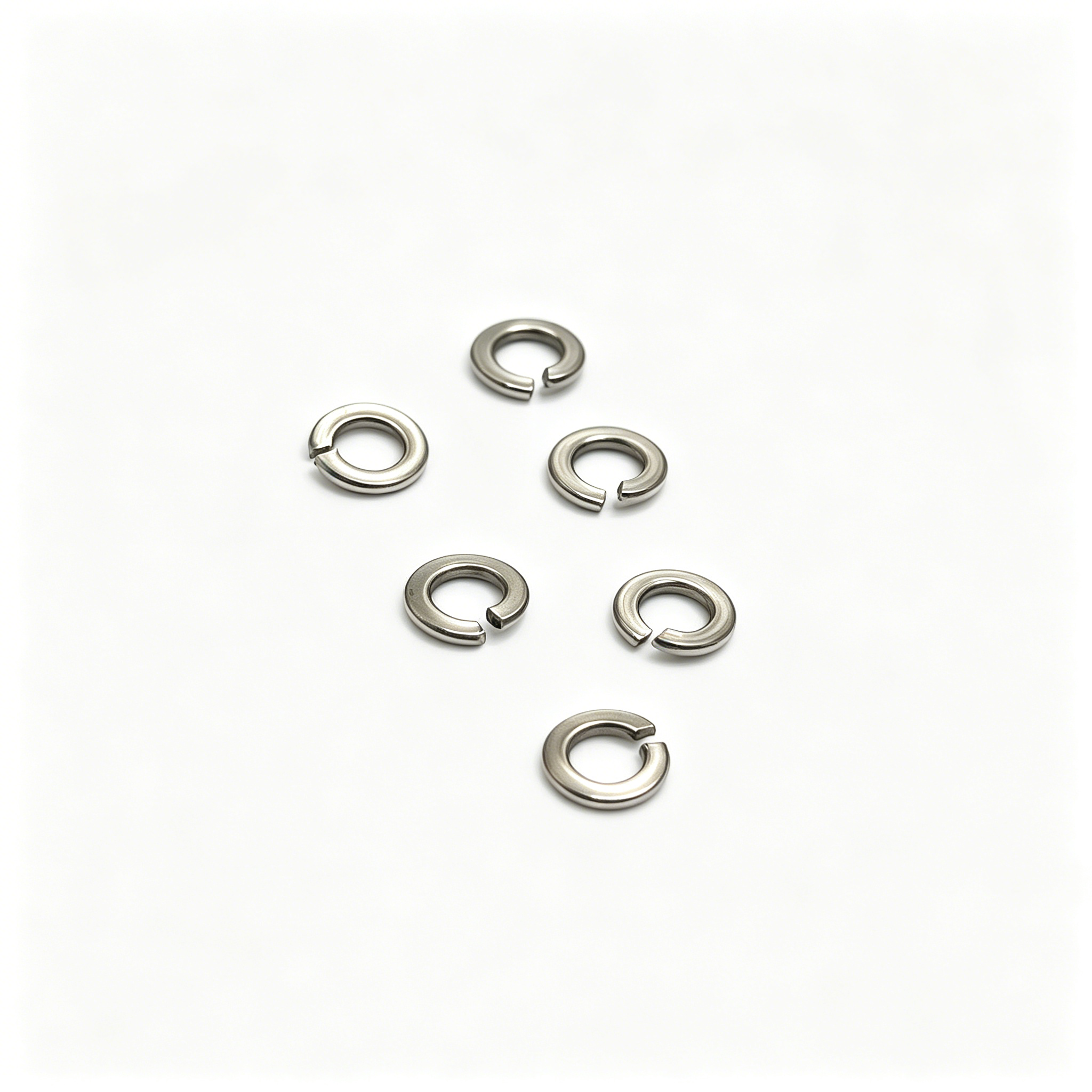
High humidity conditions-coastal applications, food processing facilities, marine environments and outdoor use equipment, etc. are devastating for metal components. Moisture creates oxidation, promotes hydrogen embrittlement, pitting (a source of cracks for fatigue failures) and carbon steel springs rust and fail relatively quickly due to loss of strength. After years of exposure in humid conditions with condensation and/or occasional water spray stainless steel coil springs remain mechanically strong. Here are four reasons why.
1. Chromium Oxide Passive Layer Prevents Rust
The primary reason that stainless steel coil springs do not oxidize readily in humid conditions is the chromium oxide passive layer. Stainless steel has a minimum chromium content of 10.5%. When exposed to oxygen it forms an extremely thin (a few nanometers), adherent and self-healing oxide layer on the surface that prevents oxygen and moisture from interacting with the metal below. The passive layer does not rust, cannot be chipped, scratched or worn away as can coatings and, if damaged, immediately reforms on exposure to air. Because humid environments typically have condensation, this property provides continual protection against the oxidation that rapidly ruins carbon steel springs. Carbon steel springs only last until a coating is scratched and rust quickly develops underneath.
2. Pitting Resistance Prevents Crack Initiation
While pure oxidation alone may not rapidly fail a component, in humid environments pits tend to form on the surface of metal. Pits act as stress raisers for cracks and if a stainless steel coil spring is cyclically stressed at these pits, a crack can initiate. This resistance is highest in 316 stainless steel, which contains 2-3% molybdenum. This additive increases Pitting Resistance Equivalent (PRE), making stainless steel spring coil products the best choice for salt spray conditions found at the shore. Hongsheng Spring recommends 316 stainless steel springs for highest pitting resistance while 304 grade would be suitable for moderate humidity conditions.
3. No Hydrogen Embrittlement from Moisture
A hidden danger of working with steel springs in high humidity environments is hydrogen embrittlement. Hydrogen atoms can diffuse into a carbon steel spring under tension and, under enough load, cause a sudden brittle fracture. High strength carbon steel springs are especially vulnerable, failing without warning. This is avoided in austenitic stainless steel coil springs because the hydrogen atom moves extremely slowly throughout the crystal lattice; it's a virtually impossible barrier for hydrogen embrittlement to overcome in these types of springs. If you anticipate the presence of hydrogen-as in industrial food processing and humid chemical applications-choose stainless steel.
4. Maintains Tensile Strength and Fatigue Life
A corroding carbon steel spring will have its cross sectional area eroded thus lowering the tensile strength of the spring. Corrosion also increases friction between coils and alters the rate of the spring. As we’ve discussed above, a stainless steel spring will not corrode. The original wire diameter and cross sectional area remain constant throughout the spring’s life. As a result the spring's tensile strength and, therefore, load bearing capacity do not change. In accelerated testing environments (ASTM B117) 316 stainless steel springs retain over 90% of their initial fatigue life after 2000 hours in salt spray, where carbon steel springs would lose 50-70% due to the pitting and rust already described. Whether it’s an electrical enclosure that needs to survive 50 years outside or a marine hatch spring, stainless steel coil springs give peace of mind.
Summary
Stainless steel springs are the premier solution for humid, moist, salty, or other corrosive environments. They are incredibly resistant to rust due to a chromium oxide passive layer, are resistant to pitting through the use of proper grades of alloy, and can prevent hydrogen embrittlement. By choosing stainless steel, you don't need to worry about diminished tensile strength or fatigue life; this is the reliable and durable choice that out performs carbon steel in high humidity environments by miles. Hongsheng Spring produces quality custom stainless steel coil springs out of 302, 304, 316 and 17-7PH stainless steel grades for use in Marine, food processing, coastal infrastructure and outdoor use applications. Contact us to make a custom stainless steel spring design.